
10 Steps to Buying Your First Home
Buying your first home is exciting—but it can also feel overwhelming when you aren’t sure what comes next. The good news is that you don’t have to figure it out alone. Follow these ten steps to move from dreaming about homeownership to receiving the keys to your very own home.
1. Decide If You’re Ready to Buy
Homeownership provides stability, freedom and the opportunity to build equity, but it also comes with ongoing expenses. Consider your income, job stability, current debts, future plans and ability to handle repairs, insurance, property taxes and other ownership costs.
Helpful link: Determine whether you’re ready to buy a home
2. Review Your Credit
Your credit history can affect your mortgage options, interest rate and monthly payment. Review your credit reports early so you have time to correct errors, reduce balances or improve your payment history before applying for financing.
AnnualCreditReport.com is the federally authorized source for free credit reports from Equifax, Experian and TransUnion.
Helpful link: Request your free credit reports
3. Establish a Comfortable Budget
The amount a lender approves and the amount you feel comfortable spending may be different. Consider the complete monthly cost, including principal, interest, property taxes, homeowners insurance, flood insurance when applicable, association fees, utilities and maintenance.
Don’t forget to plan for your down payment, inspections, appraisal, closing costs and moving expenses.
Helpful link: Calculate how much you may comfortably spend
4. Explore First-Time Buyer Assistance
You may not need a 20% down payment. Florida offers homebuyer programs that may provide eligible buyers with fixed-rate mortgages and assistance with down payment or closing costs. Program availability, income limits and qualification requirements can change, so speak with an approved participating lender before making plans around a particular program.
Helpful link: Explore Florida homebuyer programs
5. Get Preapproved for a Mortgage
A mortgage preapproval gives you a realistic purchasing range and helps demonstrate to sellers that you are financially prepared. Your lender will generally review your income, assets, debts and credit history.
Compare lenders, loan programs, interest rates, estimated payments and closing costs—not simply the advertised rate. Avoid opening new credit accounts, financing a vehicle or making large unexplained deposits while buying a home.
Helpful link: Learn about mortgage choices and preapproval
6. Choose the Right Real Estate Professional
Your buyer’s agent will help you understand the local market, find suitable properties, evaluate pricing, prepare an offer, coordinate inspections and navigate the transaction through closing.
Choose someone who listens carefully, explains the process clearly and understands the neighborhoods, property types and special considerations important to you.
Helpful link: Verify a Florida real estate license
7. Begin Your Home Search
Now the fun begins! Identify your true priorities, including location, commute, schools, number of bedrooms, outdoor space, community amenities and future resale potential.
As you compare properties, look beyond décor. Consider the roof, air-conditioning system, windows, plumbing, electrical system, insurance eligibility, association rules and surrounding neighborhood.
Helpful link: Search Florida flood-hazard information by address
8. Make a Strong, Informed Offer
Once you find the right home, your agent will help you evaluate comparable sales and prepare an offer. Price is important, but sellers may also consider financing, deposit amount, inspection terms, closing date and other contingencies.
Your agent will explain the contract, discuss negotiation options and help you understand your responsibilities before you sign.
Helpful link: Review the CFPB’s homebuyer tools and resources
9. Complete Inspections, Appraisal and Insurance
A professional home inspection can identify visible defects and maintenance concerns. Depending on the property, additional inspections may be recommended for the roof, plumbing, electrical system, HVAC, pool, sewer or septic system, mold, termites or seawall.
Your lender will typically order an appraisal, and you should obtain insurance estimates as early as possible—especially when purchasing in Florida.
Helpful links: Verify a Florida home inspector and learn about shopping for Florida homeowners insurance
10. Review, Close and Celebrate!
Before closing, you’ll conduct a final walk-through to confirm the property’s condition and verify that agreed-upon repairs have been completed. Carefully review your Closing Disclosure, confirm how funds must be delivered and ask about anything you don’t understand.
For most covered mortgages, the lender must provide the Closing Disclosure at least three business days before the scheduled closing, giving you time to review the final loan terms and costs.
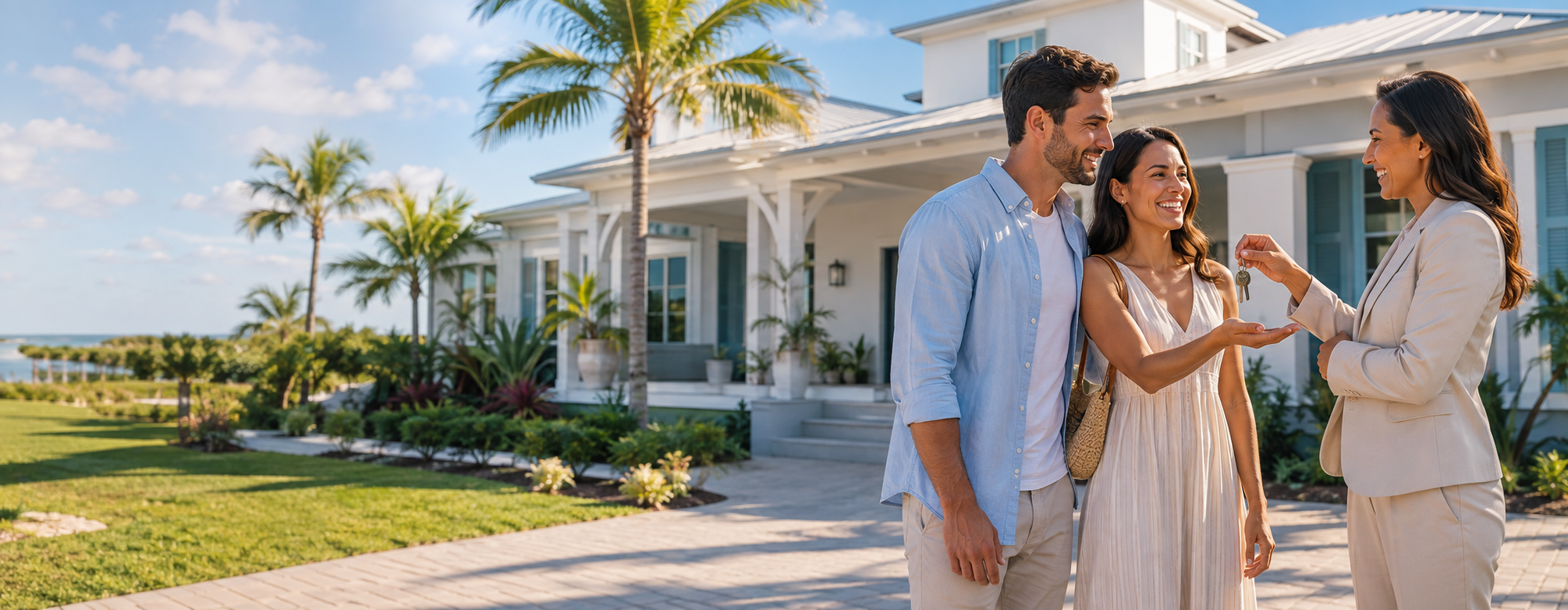
At closing, you’ll sign the necessary documents, complete the purchase and receive the keys to your first home!
Helpful link: Understand your Closing Disclosure
Ready to Begin?
Your first home is more than a purchase—it’s an important step toward the future you’re building. With knowledgeable guidance, careful preparation and the right team beside you, the experience can be exciting, manageable and rewarding.
Let’s talk about your goals and create a personalized plan for purchasing your first home.
