
Subscribe and receive email notifications of new blog posts.
 RSS Feed
- 2026 | 36 Posts
- 2025 | 48 Posts
- 2024 | 48 Posts
- 2023 | 48 Posts
- 2022 | 46 Posts
- 2021 | 46 Posts
- 2020 | 46 Posts
- 2019 | 31 Posts
- 2018 | 1 Posts
- 2017 | 9 Posts
14
Post-Hurricane Home Repairs: What to Tackle First
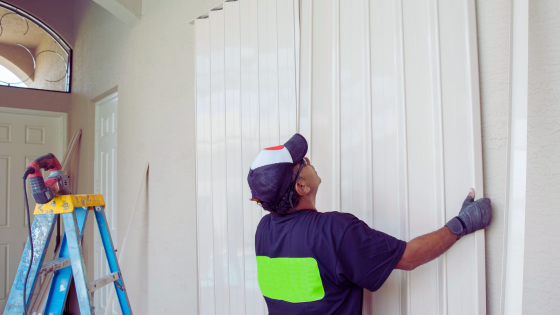
After the storm has passed and everyone is safe, the process of repairing and restoring your home can feel overwhelming. Prioritizing what to fix first is crucial, both for your safety and to prevent further damage to your property.
Here's a step-by-step guide to tackling post-hurricane home repairs, with some advice on what to focus on first and how to get your home back in shape efficiently.
Ensure Safety First
Before even thinking about repairs, your primary concern should be the safety of your home. Make sure to:
- Turn off electricity and gas: If your home has suffered any structural damage, immediately turn off the electricity and gas until professionals have inspected the property. Even if you think the damage is minimal, unseen water damage can pose serious risks.
- Inspect for water damage and mold: Hurricanes bring heavy rainfall, which often results in flooding or water intrusion. Mold can begin to grow within 24 to 48 hours, so it's important to identify areas where water may have seeped in, such as basements, walls, or attics.
- Check for structural damage: Look for cracks in walls, foundation shifts, roof damage, and any signs that your home's structural integrity might be compromised.
Once you've ensured that it's safe to be in your home, you can start thinking about repairs.
Assess Roof and Exterior Damage
In Florida, roofs take a beating during hurricanes due to high winds, heavy rains, and flying debris. Your roof is the first line of defense for your home, so:
- Inspect for missing shingles, tiles, or leaks: Even minor damage to your roof can lead to bigger problems like water damage, mold, and mildew, so this should be addressed as soon as possible.
- Repair or replace damaged gutters: Gutter systems often suffer during storms. Without properly functioning gutters, water can accumulate around the foundation, causing further damage.
- Secure windows and doors: Broken windows or damaged doors can make your home vulnerable to further weather damage or security risks. Consider temporary solutions like boarding up windows until professional repairs can be made.
Prioritize Water Damage and Flooding
Water damage from flooding can have long-lasting effects on your home's structure and can lead to health hazards if not handled immediately.
- Remove standing water: This should be done as soon as it is safe to enter the property. Pump out water from basements, living spaces, and anywhere else it has accumulated. If you're unable to remove it yourself, contact a water damage restoration company.
- Dry out affected areas: After removing standing water, set up fans and dehumidifiers to dry out floors, walls, and furniture. It's also essential to check behind walls and under floors, as water can hide in these spaces and lead to further issues down the line.
- Check for signs of mold growth: Mold thrives in damp environments and can spread quickly. If you notice any mold, it's important to take action immediately, either by cleaning small areas with a solution of bleach and water or by contacting professionals for larger infestations.
Repair or Replace Damaged Electrical Systems
Flooding or water damage can wreak havoc on your home's electrical systems. If your home was flooded, you should:
- Have your electrical system inspected by a licensed electrician: Even if the damage seems minor, electrical systems exposed to water can malfunction and pose significant risks.
- Replace damaged outlets and wiring: Electrical outlets that have been submerged in water or exposed to excess moisture should be replaced to avoid fire hazards.
Focus on Interior Repairs and Preventive Maintenance
After addressing the immediate concerns of water, roof, and electrical damage, it's time to turn your attention to the interior. This can include:
- Replacing damaged drywall and insulation: If your walls were exposed to water, they will likely need to be repaired or replaced. Wet insulation is particularly dangerous, as it can harbor mold and other pathogens.
- Cleaning or replacing flooring: Carpeting, wood flooring, and tiles can be damaged by floodwaters. Carpet will likely need to be replaced, while wood and tile floors may require professional cleaning or repair.
- Addressing HVAC system concerns: Hurricanes often lead to power outages that can compromise your home's HVAC system. Inspect your unit for water damage and ensure it's functioning properly once power is restored. If your system was exposed to water, have it professionally serviced.
Document Everything for Insurance
One of the most important steps in the post-hurricane repair process is documenting everything for insurance claims.
- Take photos and videos: Before making any repairs, take comprehensive photos and videos of all the damage. This will serve as evidence when filing your insurance claim.
- Save receipts and repair estimates: Any expenses related to repairs, cleaning, or temporary housing should be documented and submitted to your insurance company.
Work With Trusted Contractors and Professionals
While the temptation to make quick fixes might be high, always work with licensed professionals for major repairs.
Prepare for the Future
After the repairs are complete, it's important to think about how you can better prepare your home for future storms. Consider installing hurricane shutters, reinforcing your roof, and improving drainage around your property.
The aftermath of a hurricane is a challenging time for many coastal Florida homeowners. Prioritizing safety and tackling the most critical repairs first will help you restore your home to its pre-storm condition. If you're unsure about the best course of action or need local recommendations for contractors and repair services, don't hesitate to reach out. We're here to help you navigate the recovery process every step of the way.
Contact us to learn more or to speak with one of our knowledgeable real estate agents.
